
Key Takeaways
- Composition differs at the mineral level: Calcium carbonate is a single inorganic salt, while hydroxyapatite is a calcium phosphate complex that mirrors the mineral structure of human bone and teeth.
- Elemental calcium versus whole-bone matrix: Calcium carbonate carries the highest elemental calcium by weight, whereas microcrystalline hydroxyapatite delivers calcium alongside phosphorus, collagen, and trace minerals.
- Bioavailability and tolerability: In the hydroxyapatite vs calcium carbonate comparison, marine hydroxyapatite has shown modestly higher absorption and gentler digestion in published research.
- Positioning drives the choice: Value and high dose favor calcium carbonate, while clean-label, bone-identical, and premium claims favor microcrystalline hydroxyapatite.
- No single winner: Different calcium forms offer different benefits depending on product objectives, cost targets, and the consumer you are formulating for.
For product developers weighing calcium sources, the choice of hydroxyapatite vs calcium carbonate shapes everything from label claims to absorption profiles and unit cost. While both ingredients provide calcium, their effects in the body and their shelf presence differ significantly. This R&D comparison breaks down how the two forms differ across composition, bioavailability, positioning, and formulation fit, and where a microcrystalline hydroxyapatite supplier fits into a modern bone health portfolio.
Composition: Hydroxyapatite Vs Calcium Carbonate
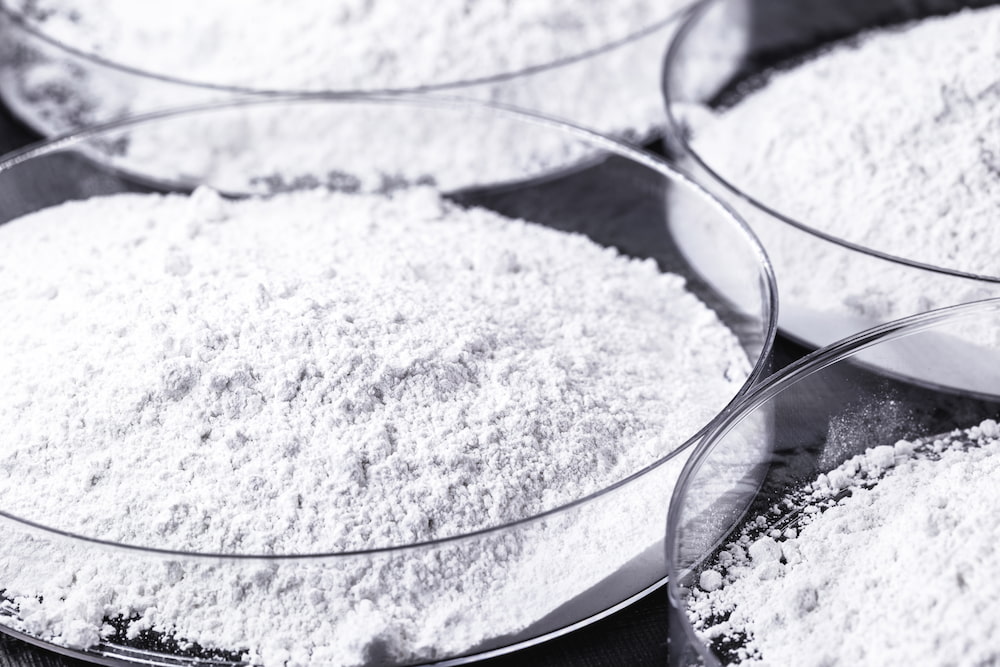
The clearest difference between hydroxyapatite vs calcium carbonate begins with chemistry. Calcium carbonate (CaCO3) is a single inorganic salt. It contains roughly 40 percent elemental calcium by weight, the highest of any common calcium form, which is one reason it dominates value-driven supplement lines. It is abundant, inexpensive, and easy to compact into a small tablet.
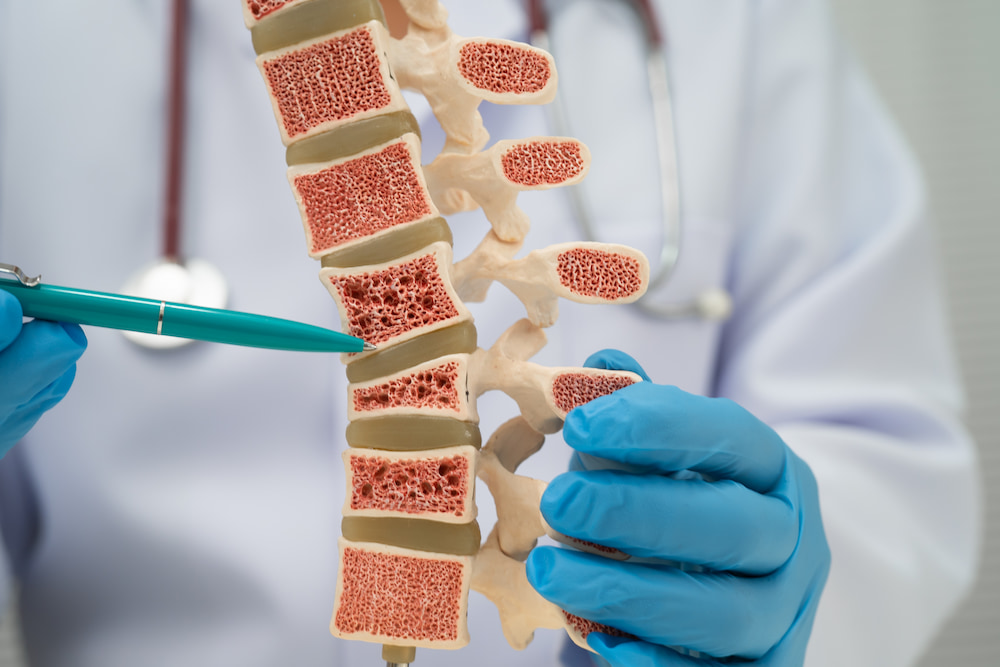
Hydroxyapatite is a calcium phosphate mineral with the formula Ca10(PO4)6(OH)2. It is the same mineral that makes up the majority of human bone and teeth. In supplement form it usually appears as microcrystalline hydroxyapatite, a whole-bone concentrate sometimes labeled MCHC or MCHA. Rather than isolated calcium, it supplies a fuller matrix:
- Calcium and phosphorus: Delivered together in a physiological ratio close to 2:1, the same balance found in bone tissue.
- Type I collagen: The primary structural protein of bone, retained when the material is processed gently.
- Trace minerals and organic factors: Magnesium, glycosaminoglycans, and other naturally occurring factors that accompany the whole bone matrix and, in research settings, have been associated with osteoblast activity.
Essentially, calcium carbonate offers pure calcium, whereas hydroxyapatite is a bone matrix compound. That structural gap drives most of the practical differences that follow.
Bioavailability And Absorption Considerations
The calcium listed on a label differs from the calcium your body can absorb. When calcium carbonate needs stomach acid to break down, people with insufficient gastric acid, such as many elderly individuals and those using acid-reducing drugs, will absorb less of it. These factors matter when you evaluate hydroxyapatite vs calcium carbonate for supplement formulation, because the number on the panel does not tell the whole absorption story.
Microcrystalline hydroxyapatite behaves differently. Its association with peptides and its small crystal size support solubility, and its whole-bone structure tends to be gentler on digestion.
A 2024 study published in Marine Drugs tested tuna-derived bio-calcium against calcium carbonate using the Caco-2 intestinal cell model and reported about 13 percent absorption for tuna bio-calcium compared with about 10 percent for calcium carbonate. In the same paper, ovariectomized rats, a standard model for postmenopausal bone loss, supplemented with tuna bio-calcium for eight weeks showed higher bone volume and thicker trabecular bone than the untreated group.
The practical read for formulators comparing hydroxyapatite vs calcium carbonate is that a lower elemental calcium figure can still translate into competitive real-world uptake, especially for aging consumers.
Consumer Positioning For Bone Health Products
The two ingredients complement distinct brand stories, and this factor frequently determines the specification. As a practical option, calcium carbonate is well-known, inexpensive, and sufficiently dense to provide a substantial daily dose in one small pill. It suits mainstream, price-sensitive categories and dual-purpose antacid types.
Hydroxyapatite carries a premium, science-forward story. The message that it is structurally identical to the mineral in bone resonates with shoppers who research their supplements. When a brand curates calcium ingredients for bone health products, marine hydroxyapatite adds clean-label, whole-food, and gentle-on-the-stomach positioning that a basic mineral salt cannot claim. It aligns naturally with senior nutrition, women's bone health after menopause, and premium marine-sourced ranges. Neither is objectively better and what constitutes the best choice can vary.
Formulation Applications In Supplements
Goals that are formatted tend to end arguments. For compact tablets, chewables, and fortification where the cost per milligram is important, calcium carbonate’s high elemental content is beneficial, but its chalky taste and reliance on acid are drawbacks that need consideration.
Microcrystalline hydroxyapatite is a fine, free-flowing powder that works across several delivery systems. Common hydroxyapatite applications in dietary supplements and adjacent categories include:
- Capsules and tablets: Bone health and osteoporosis-support products where a bone-identical matrix is a selling point.
- Functional foods: Fortified milk powders, nutrition bars, and bakery items that need a clean marine calcium source.
- Senior nutrition: Gentle, digestible calcium for aging consumers who tolerate inorganic salts poorly.
- Pet nutrition: A palatable, natural calcium source for skeletal and dental support.
Consistent particle size and purity keep the ingredient predictable across manufacturing runs, which is why formulators evaluating hydroxyapatite vs calcium carbonate weigh supply consistency as heavily as the raw absorption data.
Emerging Research On Marine Bio-Calcium
Recent research is sharpening the case for marine-derived bio-calcium. In the 2024 Marine Drugs study, ovariectomized rats supplemented with skipjack tuna bio-calcium for eight weeks showed bone volume improvements of around 26 percent in the femur and 29 percent in the tibia, compared with 13 percent and 17 percent in the untreated group. Trabecular thickness in the femur reached roughly 360 µm in the tuna group versus 290 µm in the untreated controls, and osteoclast counts, the cells that drive bone breakdown, dropped to around 5 to 6 per millimeter in the tuna group compared with 35 to 45 in the untreated group. The outcomes were on par with those seen in the calcium carbonate and estrogen-treated groups, alongside higher measured bioavailability.
Sustainability also plays a role here. Marine hydroxyapatite is usually repurposed from fish skeletons remaining after filleting, converting a processing waste product into a valuable nutritional component. Adding responsible sourcing to a brand’s identity provides tangible benefits beyond just nutritional content.
Partner With Thai Union For Marine Hydroxyapatite
For teams ready to move from evaluation to sourcing, Thai Union Ingredients offers UniQ® BONE Tuna Calcium, a microcrystalline hydroxyapatite complex made from food-grade tuna bone. It carries the natural 2:1 calcium-to-phosphorus ratio found in human bone, along with the collagen and trace minerals that define a true whole-bone matrix. Every batch is upcycled from tuna frames through a vertically integrated, fully traceable supply chain, and each lot is tested for heavy metals to meet global clean-label and food-safety standards. Its bone-like structure, purity, and ethical marine sourcing make it suitable for dietary supplements, functional foods, senior nutrition, and pet products.
Whichever way your formulation lands in the hydroxyapatite vs calcium carbonate decision, the right calcium source is the one matched to your product goals, your budget, and your consumer. As an established microcrystalline hydroxyapatite supplier, Thai Union Ingredients can help your R&D team pressure-test that fit and request specifications or a sample to move the project forward.
References:
1. Bio-Calcium from Skipjack Tuna Frame Attenuates Bone Loss in Ovariectomy-Induced Osteoporosis Rats. Retrieved July 6, 2026, from:
https://doi.org/10.3390/md22100472
2. Choosing a Calcium Supplement (Harvard Health Publishing). Retrieved July 6, 2026, from:
https://www.health.harvard.edu/diet-and-nutrition/choosing-a-calcium-supplement
3. Calcium: Fact Sheet for Health Professionals (NIH Office of Dietary Supplements). Retrieved July 6, 2026, from:
https://ods.od.nih.gov/factsheets/Calcium/HealthProfessional/
4. Microcrystalline Hydroxyapatite Calcium (Waitaki Biosciences). Retrieved July 6, 2026, from:
https://www.waitakibio.com/ingredients/microcrystalline-hydroxyapatite-calcium
Frequently Asked Questions About Calcium Ingredients (FAQs)
Q: How does hydroxyapatite compare to calcium carbonate for supplement formulation?
A: When you assess hydroxyapatite vs calcium carbonate for supplement formulation, the trade-off is concentration versus completeness. Calcium carbonate offers the highest elemental calcium and the lowest cost, while microcrystalline hydroxyapatite offers a bone-identical matrix of calcium, phosphorus, and collagen with generally better absorption and tolerability.
Q: Which calcium ingredients work best for bone health products?
A: The best calcium ingredients for bone health products depend on your goals. For value and high dose, calcium carbonate is efficient. For premium, clean-label, and senior-focused ranges, microcrystalline hydroxyapatite provides a whole-bone profile that supports a stronger scientific and marketing story.
Q: Is microcrystalline hydroxyapatite more bioavailable than calcium carbonate?
A: Published research suggests it can be. A 2024 Marine Drugs study using the Caco-2 cell model found about 13 percent absorption for tuna-derived hydroxyapatite versus about 10 percent for calcium carbonate, alongside gentler digestion. Absorption still depends on dose and the individual consumer.
Q: What formats support hydroxyapatite in finished products?
A: Microcrystalline hydroxyapatite is a fine, free-flowing powder suited to capsules, tablets, fortified functional foods, senior nutrition, and pet products. Consistent particle size and purity make it straightforward to work into most standard manufacturing lines.